

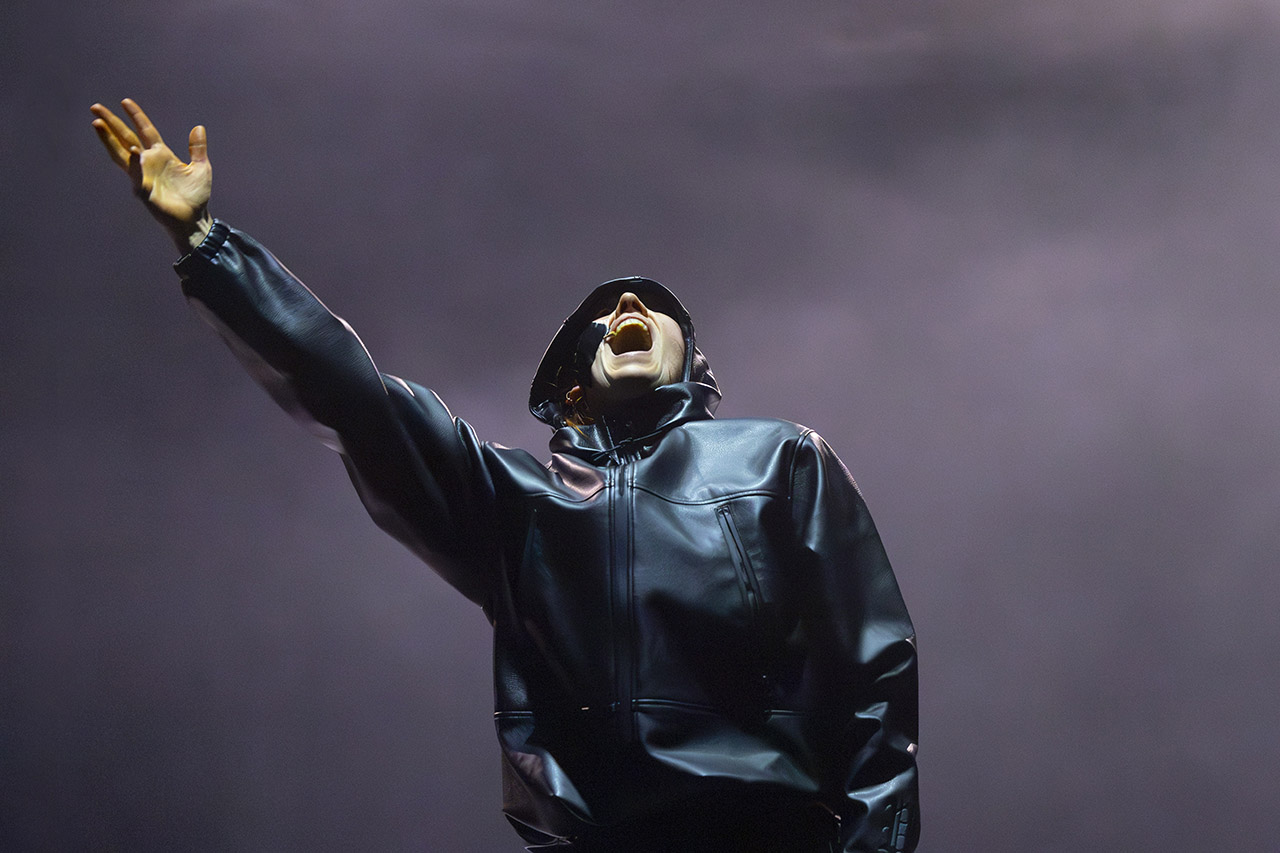
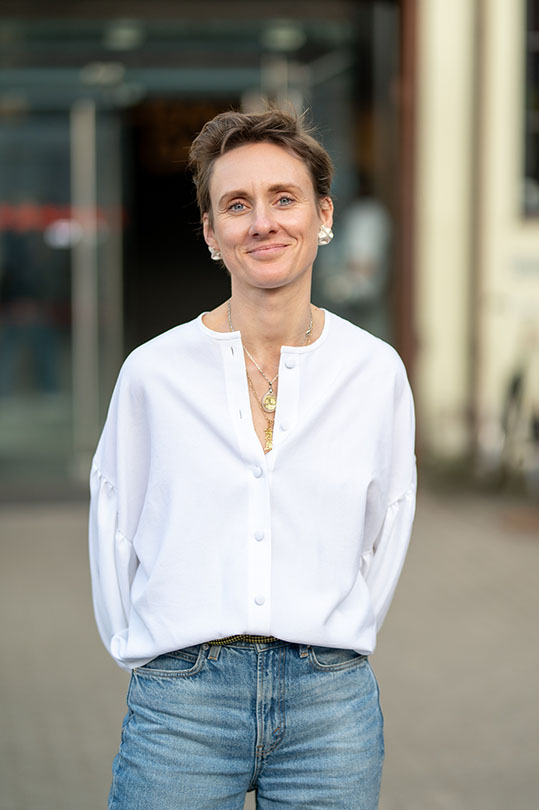
Gintarė Masteikaitė is one of the key voices shaping contemporary dance in Lithuania and across the Baltic region. Director of the Lithuanian Dance Information Centre since 2017, she also works extensively across festival curation (New Baltic Dance, ConTempo), international collaboration, and cultural advocacy. She is part of a wider network of professionals who have been actively building connections between the Baltic countries and strengthening the region’s presence abroad. One result is the Baltic Dance Platform, bringing together artists from Lithuania, Latvia, and Estonia and opening the region internationally. More than just a showcase, BDP creates space for exchange, new partnerships, and shared visibility. In this conversation, Masteikaitė reflects on the current state of Baltic dance and the directions it may take in the future.
How would you define the significance of the Baltic Dance Platform (BDP) in today’s cultural landscape of the Baltic countries?
The idea of BDP was discussed for over 20 years but only materialised in 2019 due to a lack of consensus. Earlier Lithuania-only attempts showed the field was too small to sustain a strong annual programme, and that lead to renewed collaboration with Latvia and Estonia.
Today, BDP holds a place in the European dance landscape. It serves both as a space for Baltic artists to connect and exchange, and as a platform for international professionals to engage with the region’s contemporary dance scene. Each edition moves between countries, making every platform distinct in both context and character.
What does this year’s BDP programme reveal about the current Baltic dance scene – what can we expect, and what stands out the most in your opinion?
The platform creates space for artists to meet and present works selected by an international jury for collaboration. This year’s highlight is a dance congress addressing topics such as regional identity, key challenges, geopolitics, history, and generational perspectives.
The programme is diverse, with a strong presence of emerging artists, and includes two works selected for Aerowaves Twenty26 as well from its recommendation list.
‘
We want to be seen as a bold, creative community that has much to offer and is unafraid of political themes
How does BDP today balance between ‘exporting’ Baltic dance to the international stage and strengthening the internal regional scene? To what extent does it function as a representational space, and to what extent as a platform for critical dialogue?
Today, creating space for dialogue is more important than ‘exportation’. Works that attract international attention will travel anyway, but building a platform where we are heard is the real challenge.
It is important for us to be visible and heard in Europe and beyond, especially in times of political instability. We want to be seen as a bold, creative community that, despite its size, has much to offer and is unafraid of political themes.
At the same time, we aim to show that we are reliable international partners, capable of working globally and attracting strong audiences.
How important is regional identity for dancers and creators today? Does a ‘Baltic dance identity’ in dance still exist and remain relevant, or is it already in a process of transformation?
That’s a good question – and one that should be asked of our artists, not me. From some, I hear that there is no such thing as a ‘Baltic dance identity’, that it is merely a myth we have constructed ourselves. From others, I hear that it does, in fact, exist. I think we will be better able to answer this question after the platform.
Working on both national and international levels, how do you see today’s political and cultural climate in the Baltic region and beyond? How do geopolitical tensions – such as the war in Ukraine, debates on artistic freedom in Latvia, the ‘We Are Culture’ protest movement in Lithuania, and broader protests in Slovakia, Hungary, and other European countries – affect contemporary dance and how is this reflected in BDP’s priorities?
When sending invitations to BDP, I wrote that this edition might be the last platform of its kind – and that may be true. With rising populism, cultural budget cuts, and geopolitical instability, it’s hard to predict where the dance community will be in a year or what its priorities will be.
I would like to see more artistic responses to current events, though I understand this often requires distance. At the same time, the Lithuanian dance community’s activism during ongoing cultural protests is inspiring – even now, after some performances, dancers come out for their bows holding protest flags.
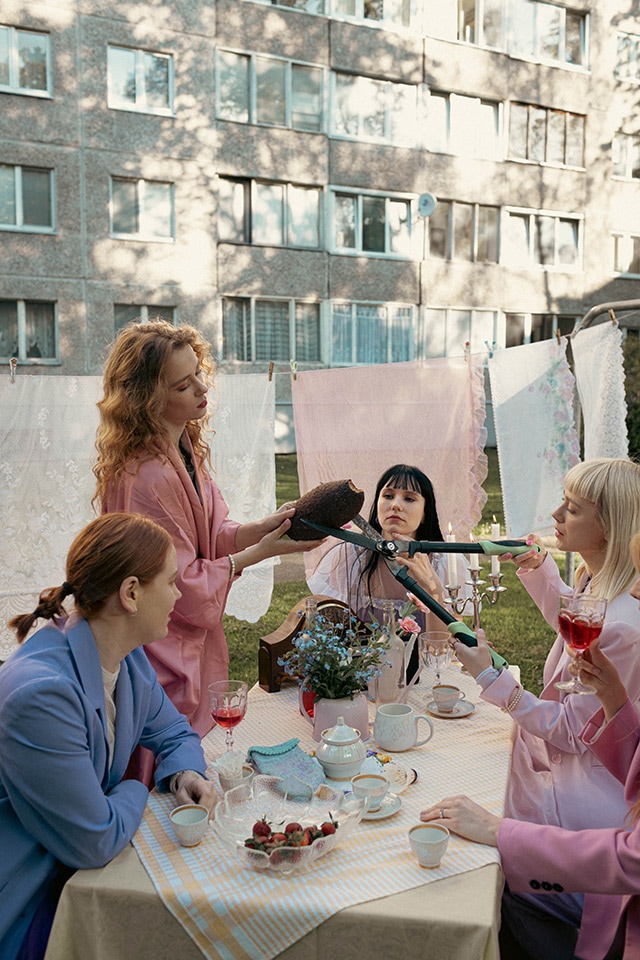
This year, several significant anniversaries coincide in the Baltic region – Latvia is marking thirty years of contemporary dance, and in Lithuania the New Baltic Dance festival is also celebrating its thirtieth anniversary. How has the contemporary dance field in the region changed over this time?
Over the past thirty years, Baltic contemporary dance has matured, with a strengthening ecosystem filling long-standing gaps. Although full sustainability has not yet been achieved, the direction is clear.
Important developments are taking place in all countries: in Latvia, a dedicated dance house has been opened; in Lithuania, discussions are under way about establishing a national dance institution; and in Estonia, an international festival dedicated to dance has recently been launched. At the same time, the connection to history is growing, reflected for example, in the renewed attention to figures such as dance pioneer Danutė Nasvytytė, whose biography was published just a few weeks ago. We are moving at different speeds, but across the entire region there is a clear sense of growth – and an increasing confidence in comparing ourselves with any country in western Europe.
What main directions do you think the Baltic dance scene will take over the next five to ten years?
I hope that over the next five to ten years, dance in the Baltic countries will no longer be treated as the ‘third brother’ in the context of cultural policy, but will gain an equal position alongside theatre and music. I would like to believe that in Lithuania there will be a permanent space where dance can be experienced daily – not only during festivals or in isolated projects, but as a living, continuous process.
‘
I hope that in the future Lithuania will not only nurture talent but also be able to retain it
It is also very important that young dance professionals have real opportunities to create and work in their own country. Too often, they are forced to emigrate due to a lack of opportunities. I hope that in the future Lithuania will not only nurture talent but also be able to retain it.
Overall, I believe that the Baltic dance scene will grow stronger as a region – collaborating more closely, becoming more visible internationally, and speaking more boldly about relevant issues. However, all of this will only be possible if stronger institutional and political support emerges alongside creative energy. ●
Baltic Dance Platform runs 22–25 April 2026. Parnters: Sõltumatu Tantsu Lava (Estonia), Lithuanian Dance Information Centre, Latvian Dance Information Centre
For more on Baltic Dance Platform 2024, visit the Aerowaves’ On Record album
For more on Baltic Dance Platform 2022, visit springback.org/magazine/2022/07/baltic-dance-platform-2022